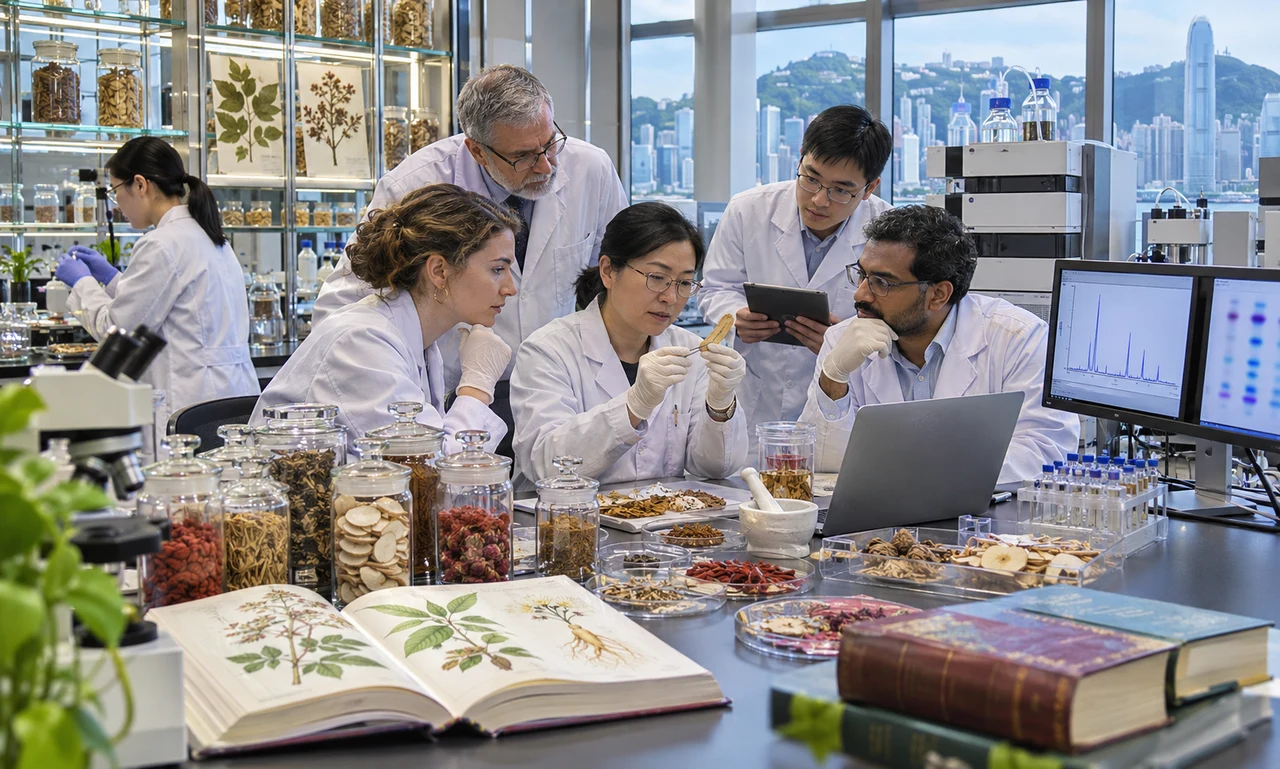
Herbal medicines are used across many health systems, but the same plant can reach patients in products that differ widely in identity, strength, purity and preparation. The World Health Organization is working toward international quality standards intended to give laboratories and regulators a more consistent basis for assessment.
Experts from all six WHO regions met in Hong Kong from November 16 to 18. Their task was to advance the first volume of an international herbal pharmacopoeia containing 12 monographs on priority medicines.
A monograph turns a plant into a testable specification
A scientific monograph describes how a material should be identified and evaluated. It may define the accepted plant species and part used, methods for measuring characteristic compounds, limits for contaminants and tests that detect substitution or poor processing.
Those details matter because a familiar name does not guarantee a consistent product. Soil, climate, harvest time, storage and extraction can change chemical composition. Adulteration or contamination can add further risk. Shared methods allow different laboratories to compare results and give manufacturers clearer expectations.
Quality also reaches back to the landscape
The planned WHO publication will include a section in each monograph on biodiversity, traditional knowledge and sustainable use. That broadens quality beyond the contents of a bottle. Heavy demand can threaten wild plant populations, while traditional knowledge raises questions about recognition, consent and fair benefit.
The standards are not meant to prove that every claimed use is effective. Quality, safety and clinical benefit are related but separate questions. A precisely identified and consistently manufactured product still requires appropriate evidence for how it is used.
The Hong Kong meeting is part of work that began in November 2024 and supports WHO’s Global Traditional Medicine Strategy for 2025–2034. The eventual publication could help countries strengthen regulation even where laboratory resources and national pharmacopoeias are limited.
International alignment will not remove every difference in practice. It can, however, establish a common scientific floor: the plant is correctly identified, the product is measured with dependable methods, and basic quality claims can be checked rather than assumed.