Peace is often discussed after violence begins. A new United Nations report coordinated by UNESCO argues for earlier investment in the everyday capacities that let societies manage disagreement without force.
The report on promoting a culture of peace was prepared with the UN Department of Economic and Social Affairs and submitted to the General Assembly. It draws contributions from 33 UN entities and eight Member States.
Prevention depends on social infrastructure
The review period included the highest number of active state-based conflicts since the Second World War. Nearly 118 million people were forcibly displaced by the end of 2025, while global military spending reached a record level.
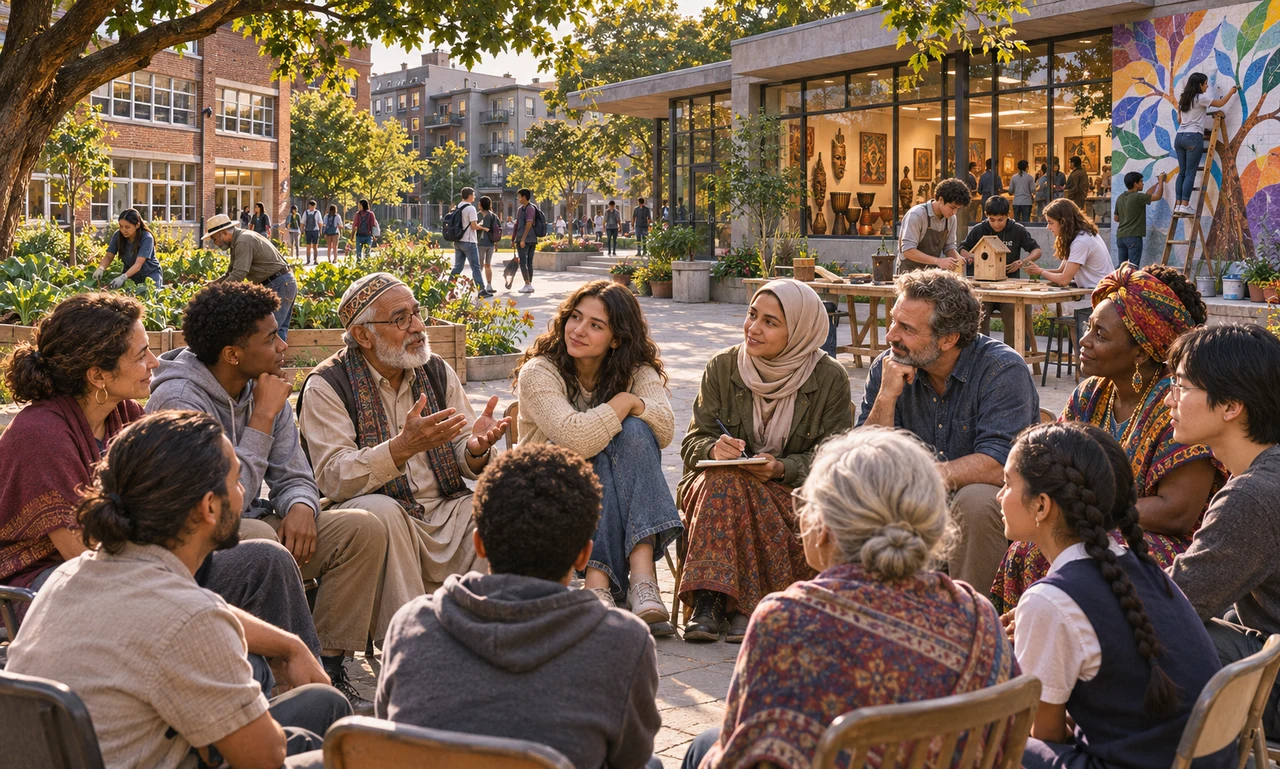
Against that backdrop, the report treats dialogue, human rights, education and inclusive institutions as practical infrastructure. The argument is not that conversation can settle every security crisis. It is that communities need trusted ways to address grievances, challenge stereotypes and share decisions before violence becomes the main language of conflict.
Examples range from collaborative pasture management in the Sahel to safer public spaces for girls in Cairo, New Delhi, Lima, Kampala and Hanoi. In Sri Lanka, community forums linked ethnic and religious dialogue with opportunities for women and young people to influence national decisions.
Local ownership makes dialogue durable
The report finds that intercultural and interreligious dialogue works best when communities shape it and institutions sustain it over time. A one-day event may create contact, but prevention requires places, relationships and public systems that remain available when tension rises.
UNESCO also points to cultural institutions as shared civic spaces. Museums, schools and heritage programmes can help people encounter different histories while building a common public life. Peace education can give students tools to examine conflict, rights and responsibility without reducing difficult questions to slogans.
The report recommends that governments place conflict prevention in public budgets, integrate a culture of peace across policy and develop indicators that show whether efforts are reaching communities. Such measures cannot guarantee harmony. They can make cooperation more likely and provide alternatives when difference becomes difficult.
Peace, in this view, is not only an agreement signed by leaders. It is a capacity maintained across neighbourhoods and generations — built before the emergency, then tested when society comes under strain.