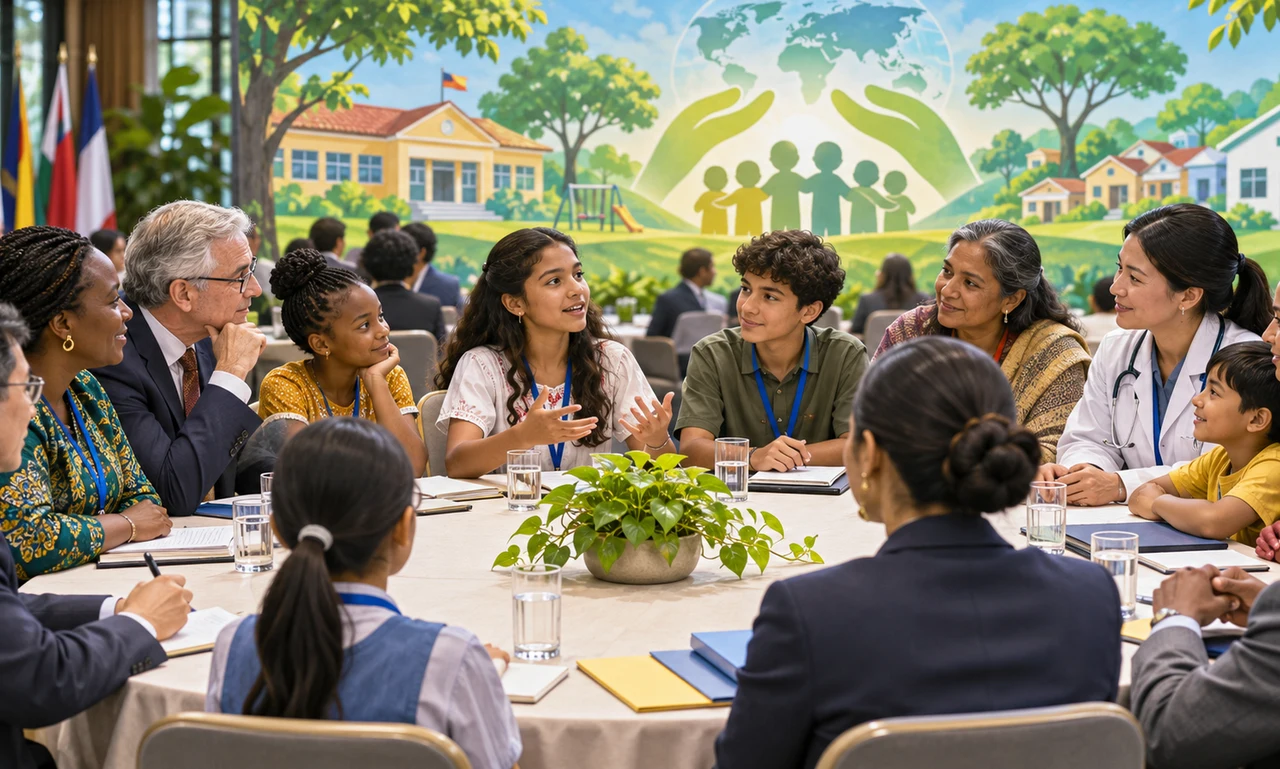
Governments are announcing more than 230 new commitments to prevent violence against children at a global ministerial conference in Manila on November 18 and 19. The new pledges include first-time commitments from 30 countries and bring the total since 2024 to more than 630 pledges from 140 countries.
The World Health Organization says violence affects more than one billion children each year. Harm can occur at home, at school, in communities or online, with effects that can continue into adult health and well-being.
Commitments vary by national need
Tanzania plans to invest US$190 million in child protection. Nepal has pledged to halve school violence by 2030, a target expected to benefit 4.2 million children. Chile intends to protect more than 3.4 million children from school violence and cyberbullying, while Mexico will strengthen online protection.
Burundi has pledged to prohibit corporal punishment by 2028. Côte d’Ivoire aims to reduce violence against children by 30 percent by 2030. These goals differ in design, but each requires measurable implementation rather than a general statement of support.
Prevention, services and accountability
The Manila meeting is focused on approaches such as supporting parents and caregivers, making schools safer and strengthening health and child-protection services. It will also address risks during humanitarian emergencies and climate-related crises, as well as violence enabled by digital technologies.
Health systems have an important role in recognizing possible abuse, providing safe and child-centred care and connecting families with protection services. Schools, social services, justice systems and community organizations must work alongside them.
More than 1,300 participants from governments, civil society and international organizations are expected, including children, young people and survivors. Their involvement matters because effective policies depend on understanding how services are experienced, where barriers remain and whether children can seek help safely.