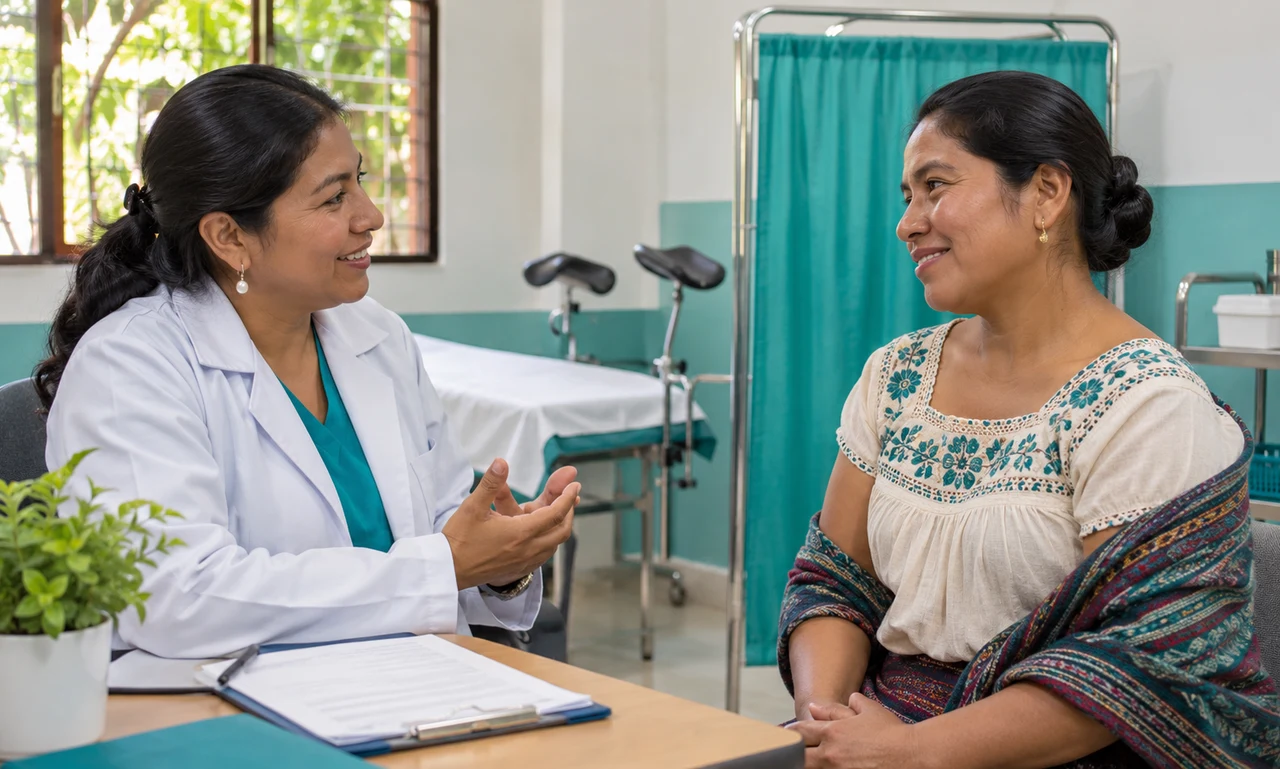
Countries are expanding cervical-cancer screening and treatment, but new World Health Organization estimates show how far access still has to travel. Three in five women aged 30 to 49 have never been screened.
The divide is especially stark for tests that detect human papillomavirus, the virus responsible for nearly all cervical cancers. In the preceding five years, only two per cent of women in low- and middle-income countries received HPV testing, compared with 32 per cent in high-income countries.
Progress is taking different forms
Several national programmes show how the gap can be narrowed. Brazil has made HPV DNA testing available through the public health system in 26 of its 27 federal units. Cabo Verde is preparing organized HPV-based screening on Boa Vista Island. El Salvador is working through regional agreements to expand affordable testing.
New Zealand has announced a 2026–2040 elimination plan and intends to make screening free for all eligible women from March 2027. Sierra Leone is adding tests and equipment to strengthen screening, diagnosis and treatment of precancerous lesions.
A test must lead to care
Screening is not an isolated event. A positive result must be followed by communication, further assessment and timely treatment. Programmes therefore depend on trained health workers, reliable supplies, clear referral pathways, sustainable financing and systems that can identify where people are being missed.
WHO’s global strategy sets three linked goals for 2030: vaccinate 90 per cent of girls against HPV by age 15, screen 70 per cent of women with a high-performance test by ages 35 and 45, and provide appropriate treatment to 90 per cent of women with cervical precancer or invasive cancer.
Guidance released in 2026 supports the use of HPV DNA genotyping to help identify women at greater risk and guide follow-up. Training initiatives are also expanding: programme materials supported health workers from 12 facilities in Liberia, while Zambia plans a pilot in December.
The lesson is both encouraging and demanding. Cervical cancer can often be prevented or detected before it becomes advanced, and countries are building the necessary services. But elimination depends on reaching women who have not previously had access — and ensuring that every screen-positive result opens a reliable path to care.