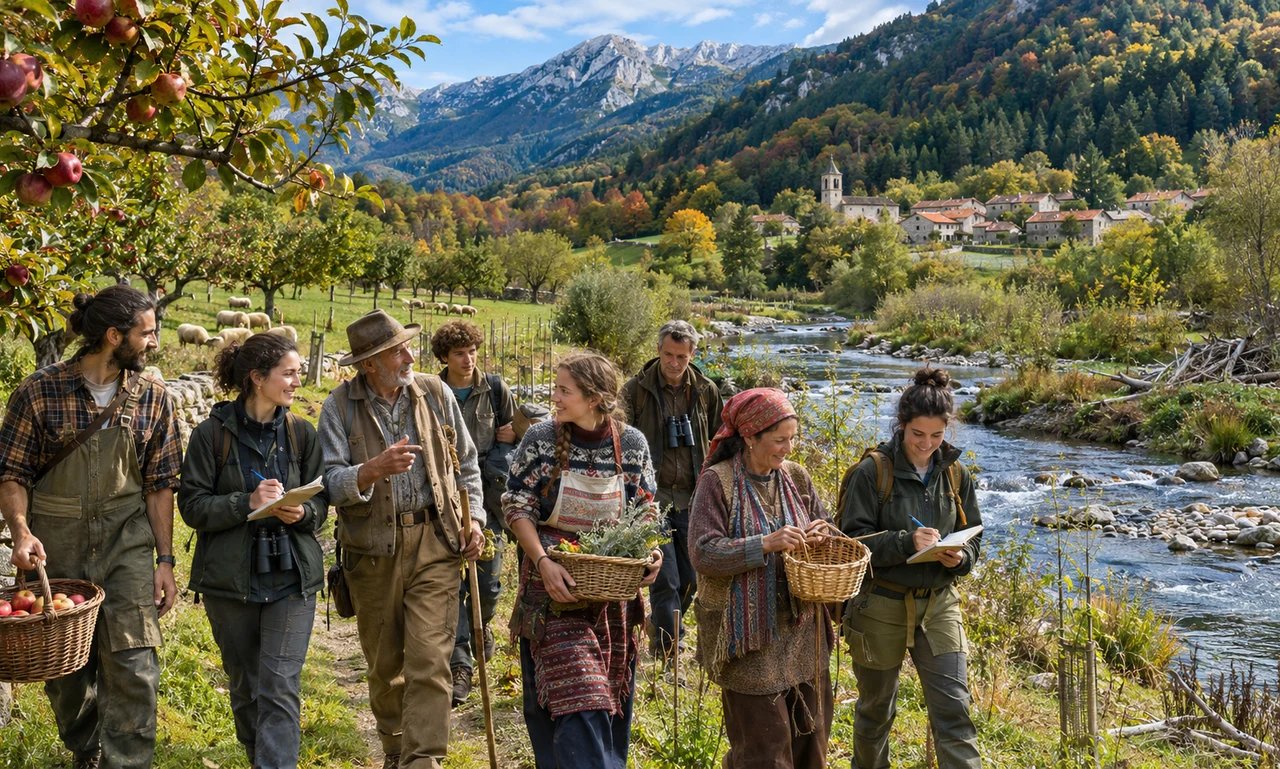
Biosphere reserves are often described as protected landscapes, but their more ambitious role is to test how people and nature can prosper together. A recent UNESCO exchange brought reserve managers and community representatives together around a practical question: how can conservation strengthen local livelihoods and climate resilience at the same time?
The answer begins with treating residents as decision-makers. Speakers described reserves as living laboratories where ecological evidence, traditional knowledge, public institutions and local enterprise can meet in one place.
Local identity can support local economies
Products grown or made within a reserve can carry more than commercial value. Carefully designed place-based branding and certification can help farmers, craft workers and small businesses distinguish goods tied to responsible land use. Traditional crafts, folklore and heritage practices can also keep knowledge in circulation, engage younger residents and support community-led tourism.
The important link is reciprocity: economic activity benefits from a healthy landscape, while successful local enterprises give communities a stronger stake in caring for that landscape. Conservation becomes less of an outside restriction and more of a shared long-term asset.
Governance is part of resilience
UNESCO’s account stresses that participation requires time, trust and respect for the different ways people become involved. Public authorities, businesses, scientists, civil-society groups and residents may enter the conversation with different priorities. Durable governance creates a place to negotiate those interests instead of assuming they will align automatically.
Cooperation between reserves is equally valuable because rivers, wildlife and climate pressures do not stop at administrative borders. Shared restoration projects, including work on riverbanks and habitats, can strengthen ecosystems while giving neighboring communities a concrete goal around which to organize.
Younger people have a distinct role. Reserves can give them a setting to investigate local problems, connect inherited knowledge with new methods and turn curiosity into projects that matter close to home.
The living-laboratory idea is useful because it accepts that no single blueprint will fit every landscape. What can travel is a method: observe carefully, share authority, test approaches, measure results and exchange what works. In that sense, a biosphere reserve is not only a place on a map. It is a continuing agreement to learn how a community can inhabit its environment more wisely.